Howdy myco fam, welcome back to the weekly Mycopreneur Newsletter, your one stop shop for keeping your finger on the pulse of global mushroom innovation and news from the underground up.
Today we’ve got a round up of international mushroom news and an invite to the Mycopreneur Incubator today at 3 pm ET U.S.

Cordyceps sinensis mushrooms, one of the most expensive wild natural products on the planet
A month-long experiment published by Outside explored whether adaptogenic mushroom supplements could improve running performance and recovery. The author tested four products—two cordyceps and two reishi supplements—while tracking energy, soreness, sleep, and training. Cordyceps products produced mixed results, with one associated with improved energy and endurance, while the other had little noticeable effect. One reishi supplement appeared to support recovery and sleep, whereas another showed minimal impact. Experts noted that emerging research on cordyceps and reishi is encouraging, particularly for endurance athletes, but current evidence suggests they should complement, not replace, sound training, nutrition, and recovery practices.
While more runners are adding mushroom supplements to their training regiment in recent years, there is strong precedent in the sport for fungi-fueled excellence:
From the academic Journal of Alternative and Complementary Medicine:
“Cordyceps gained world attention in 1993 when Chinese female runners achieved records in 1500 m, 3000 m, and 10,000 m events.10 Their coach attributed their success to a diet containing Cordyceps. It was suggested that Cordyceps helped improve exercise capacity in these athletes via antioxidant effects.”

In fact, runners leveraging the purported energy-enhancing and endurance qualities of cordyceps mushroom consumption for a leg up in competition is just the tip of the iceberg;
French athletes were known to use the alkaloid Ibogaine from the West African visionary shrub Iboga to power up in Olympic competitions during the 1940’s and 50’s until the compound was pegged as a ‘doping agent’ and it’s use ultimately banned by the International Olympic Committee in 1989.
Superstar DJ Diplo revealed in 2023 that he completed the Los Angeles Marathon while tripping on LSD, and that the molecule helped him complete the 26.2 marathon when he had maxed out his training at 11 miles.
In 2025, a Colorado man ran 500 miles from Manitou Springs, CO to Moab, Utah while dosing on LSD and psilocybin mushrooms the entire way.
In today’s edition of life imitating art, compare this satire article I published last week to an actual article that Forbes published the same week:


From the article: “For many Slovaks, mushroom picking is a seasonal tradition, but deciding whether a trip to the forest is worthwhile often depends on recent reports from other pickers.
A new online project called MapaHub collects those reports and displays them on an interactive map showing where people have recently found mushrooms —
The creators of MapaHub say the project is designed to address a common problem among mushroom enthusiasts: many are willing to share their finds but do not want to reveal the exact location of their favorite spots.
MapaHub, therefore, does not publish precise coordinates. Instead, it shows only a wider area, such as a municipality or region, while allowing users to provide information about their discoveries.”
The emergence of mushroom foraging maps is something we’ve covered before — a similar mapping system is available in the UK and shows the locations where psychoactive Liberty Caps are likely to appear in season using real-time weather and ecosystem data. There are other maps like this emerging in the United States and elsewhere, and public opinion is divided around them (what else is new?)
Some people see the tradition of foraging as far more than simply going straight to a predetermined spot to load up on wild mushrooms or foods; for many, it’s a secretive practice that requires presence, connection with the wilderness, and incorporation of multiple earned disciplines that combine to locate a honey pot of choice wild edible mushrooms. To these foragers, the idea of loading up a mushroom map on one’s phone and going straight to the source is heresy and misses the entire point of mushroom foraging. The recorded knowledge of precisely where to find mushrooms also carries the potential of incentivizing commercial picking; we’ve already seen proposed mushroom foraging regulations rolled out in Minnesota in the U.S. due to over-picking, with other states and countries likely to follow suit as more and more people turn onto and monetize the practice.
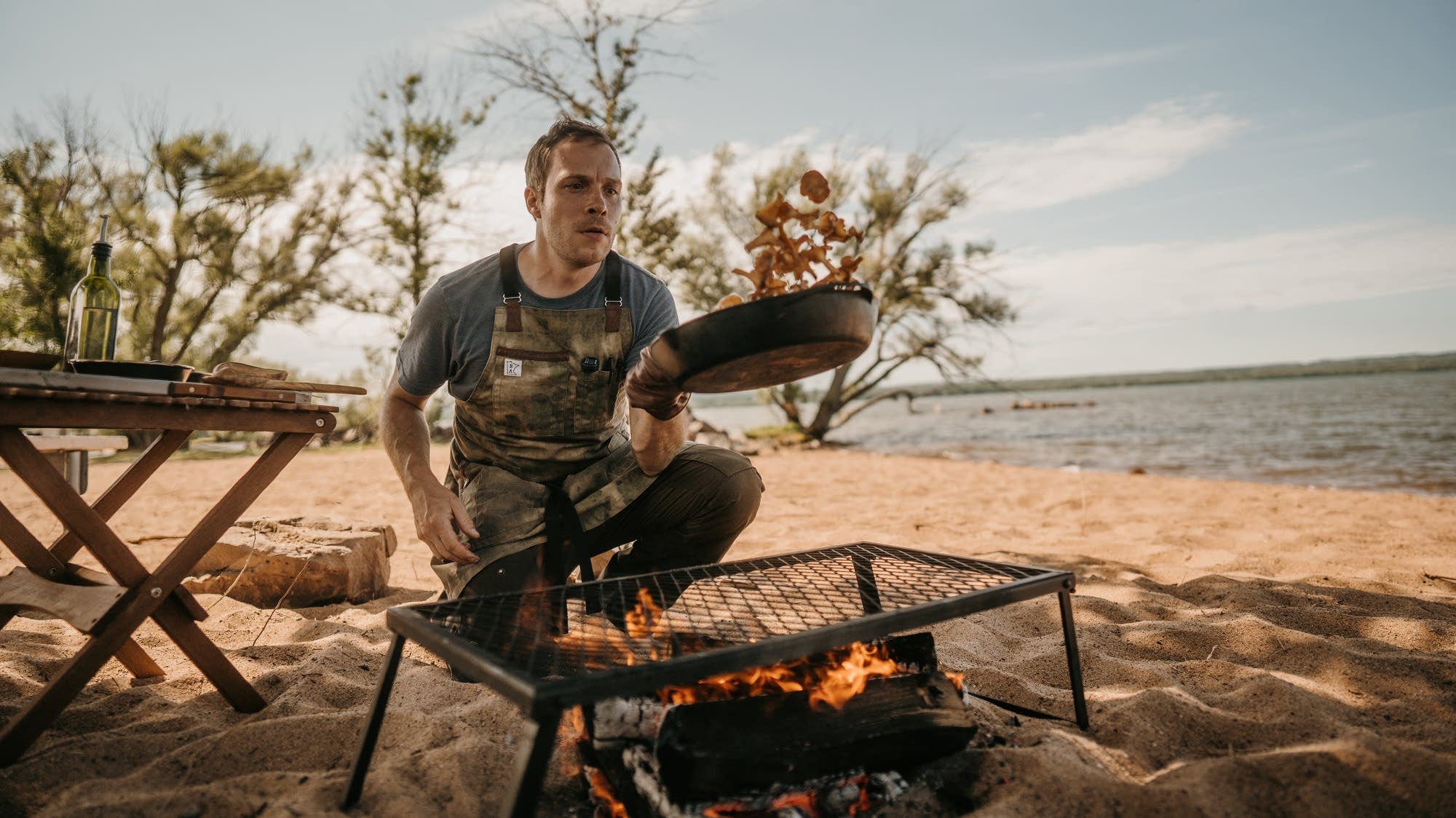
As with everything these days, it seems to be ‘tradition vs. innovation’ and there is no universal agreement about the topic. What are your thoughts on mushroom maps? Hit me in the replies -

From the article:
For the past 20 years, nature enthusiast Micko Livadic has been exploring the rich biodiversity of the Sar Mountains, searching for the mushrooms hidden in its forests and meadows.
According to him, entering the world of mushroom research is almost the same as exploring outer space.
He estimates that as many as 1,500 mushroom species may occur throughout the Sar Mountains.
“Mycotherapy is highly developed around the world, whereas in our region it is still relatively unknown. I have seen companies in neighboring countries extracting medicinal compounds from mushrooms, and I hope this practice will eventually take hold here as well, because mushrooms have proven to be an important resource in the treatment of various diseases,” Livadic said.
From our collaborators: If you don’t have a convenient undiscovered mountain forest mushroom jackpot in your area — or even if you do — consider cultivating your own mushrooms to further the art and science of mushroom research. Booming Acres has everything you need to become the gourmet and exotic mushroom source in your community, or to take your cultivation craft from side hustle to full-time.

Time Magazine published an article about mushroom coffee this week, joining other elite publications like WIRED, Forbes, Rolling Stone and many others in covering this emerging mushroom market segment. The mushroom coffee trend has gone gangbusters and isn’t going anywhere anytime soon —
Most of the articles on mushroom coffee are reviewers pushing certain brand narratives, and this article focuses more on the safety profile and research claims underpinning the mushroom coffee boom.
A condesned version of the article:
Some products contain less caffeine than traditional coffee, which may reduce jitters, but health effects depend on ingredient quality and formulation. Researchers emphasize that mushroom coffee should be viewed as a supplement to, rather than a replacement for, an overall healthy diet and lifestyle.
You know which brand of mushroom coffee my loyalties remain with 😀

We did it, y’all — This week the illustrious High Times published the first article in their 50 + year history that focuses specifically on different mushroom strains and the cultivators behind them, written by yours truly. Considering that they’ve been profiling cannabis strains in this fashion since the 1970’s, I’d say that’s a pretty cool feat.


Psilocybe subtropicalis by Panheads
Surprise, surprise: Each of the strains featured in the article came from cultivators who have attended or co-hosted the weekly Mycopreneur Incubator. Drop in to meet them and talk shop any Thursday.
The article has racked up 73,000 views and counting on their Instagram where they shared it with their 2.8 million followers, and was also translated into Spanish on a separate post for the High Times Español IG page for an additional 10,000 views. They also posted it to the High Times Facebook page for their audience of 5.4 million there, as well as featuring it as the top article on the High Times website for the release day before moving it over to the ‘Must Reads’ section on the top of the High Times homepage where you can still find it today.
In a space notorious for censorship and constrained reach, I’d say this piece was a slam dunk for our community. Check it out below:

Oh, and that wasn’t all that came out for the Mycopreneur squad this week:
Beard Bros published an article I wrote about the efforts across the mushroom community to personalize mushroom experiences, citing multiple initiatives from Mycopreneur collaborators and previous Incubator attendees.
This article was posted to the top of the Beard Bros website, which received upwards of 100,000 visitors monthly, as well as across their social media accounts to a combined follower count of over 500,000.
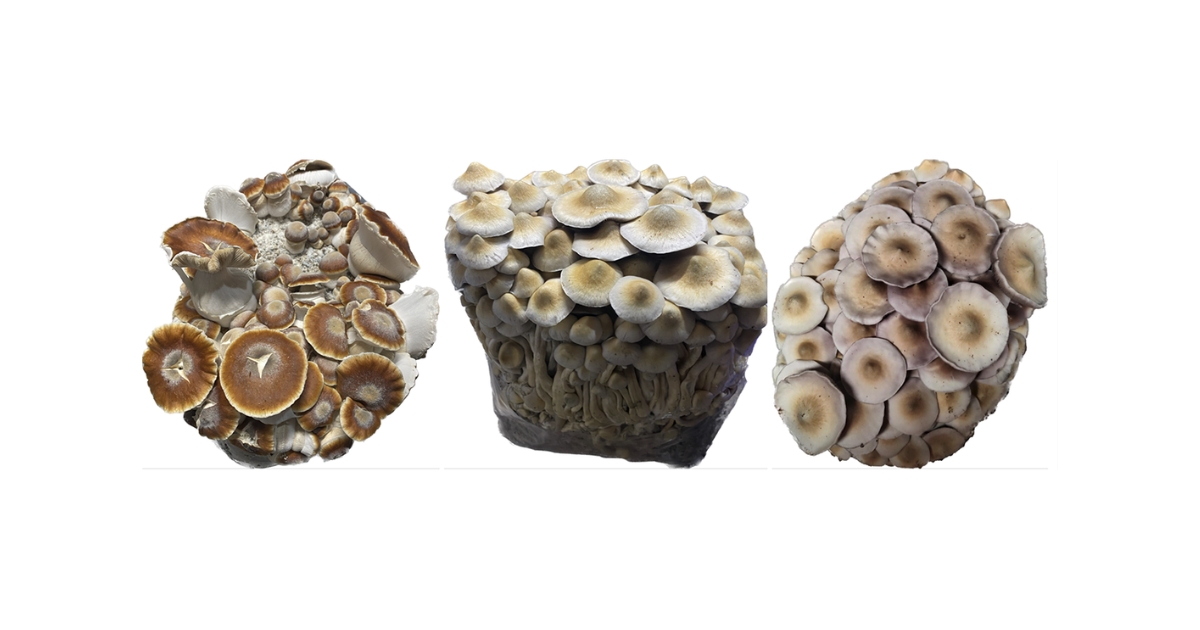
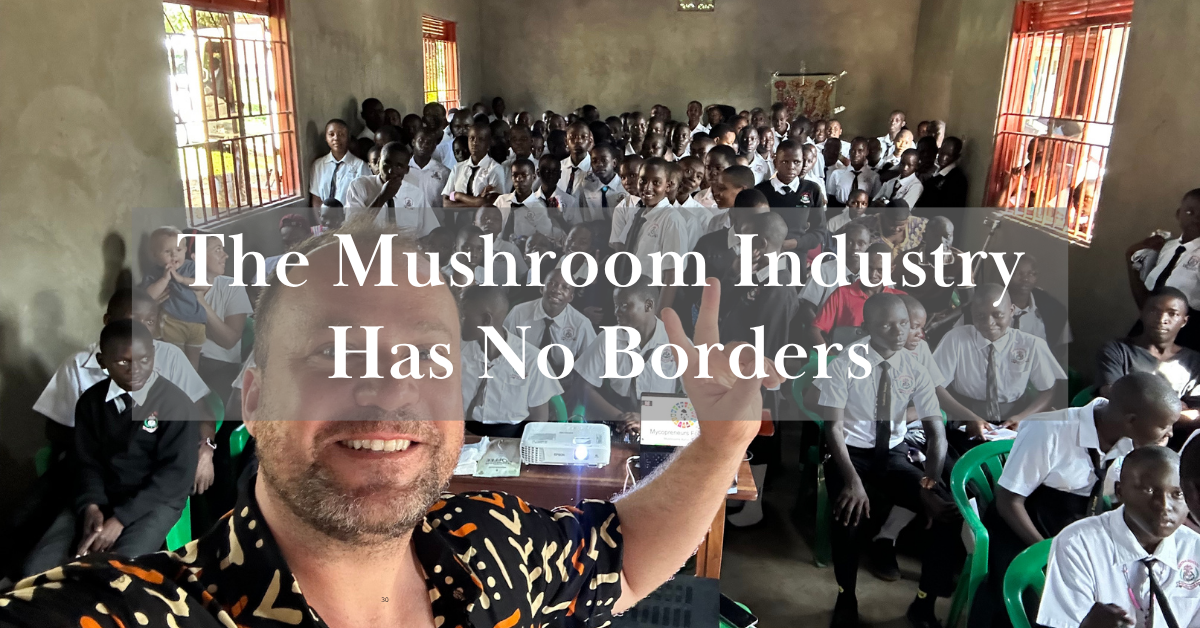
Similarly, Fat Nugs Magazine published another article I wrote about international collaboration in the mushroom industry featuring several other Mycopreneur collaborators like Full Canopy Genetics (who were prominently featured in each of the aforementioned articles) and Mycogenius in the Netherlands. This article was featured as the top article on their website homepage for its release day and also received a dedicated LinkedIn post from them for their 11,000 professional connections there.
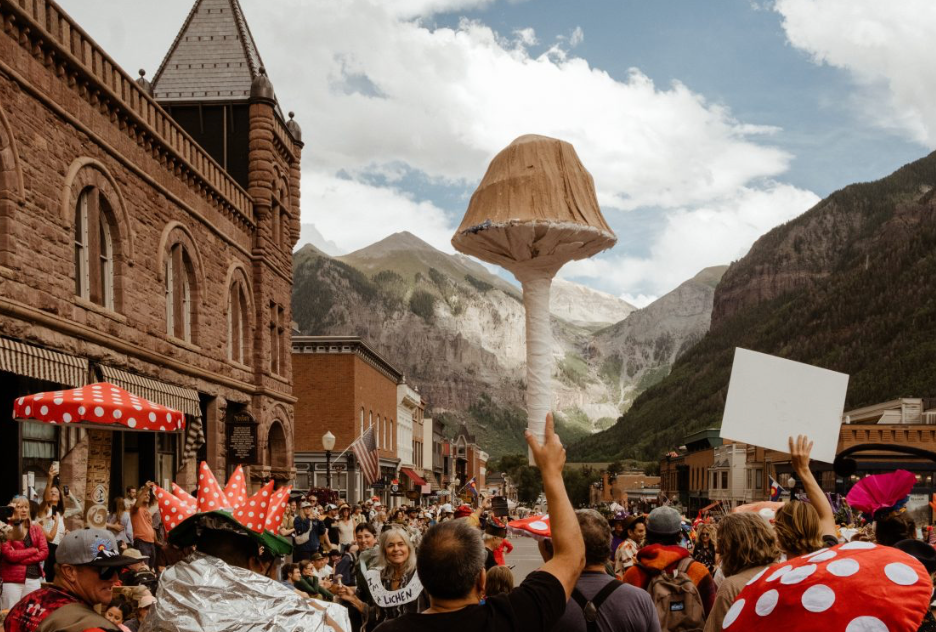
We also published an article with Mycostories covering the summer mushroom festival and conference circuit — Mycostories reaches over 1 million people monthly internationally.
All this to say, if you want to explore solutions for widespread visibility, recognition, trust, and more traction internationally for your project then drop me a line in the replies to see if we’d be a good fit as collaborators. And we didn’t even discuss the Mycopreneur native media content that these collaborators were featured in, which has reached 900,000 people and counting this month on it’s own merits.
As many of you know, I’m co-hosting the inaugural World Mushroom Forum online from August 21 - 23, and my co-founder Oli Genn-Bash The Fungi Consultant and I have decided to host a virtual ‘Town Hall’ next week on Tuesday, July 28th at 3 pm ET with an open invite to anyone who is participating or attending the WMF. This event is designed to connect people, field questions, and co-design the festivities together as we round out the final programming in the run up to the event.
Tickets for the World Mushroom Forum are on sale now — please consider buying one or sponsoring a block of tickets to give out to your community if you’d like to support the event and position yourself for unfettered access to emerging global myco trends and the mushroom innovation community. We’re still adding speakers, sponsors, and partner orgs so there’s more TBA then what’s on the flyer below.


Below is the invitation to the first Town Hall — if you can’t make thius one, no sweat, we’ll have two or three more before the event.

Perhaps the biggest mushroom news of all this week is that it was the Patron Saint of Mushrooms Maria Sabina’s birthday on July 22nd.
Happy Birthday to a legend!
Learn more about her extraordinary life and work and support her legacy by checking out this article from the Fungi Foundation, which works directly with the Mazatec community to support ongoing reciprocity initiatives

In conjunction with Maria Sabina’s birthday, recent Mycopreneur Podcast guest (forthcoming release) and Psanctuary Church founder Eric Osborne hosted the first ‘World Dose Day’, inviting people around the world to join in reverence for the mushroom. Let me just say: I built my LinkedIn algorithm brick by brick. I’m curious to hear if anyone joined in this knowingly (lol) and any thoughts from Eric and team about how it went.

One more interesting bit on the topic of Maria Sabina:
It’s widely known that investment banker R. Gordon Wasson introduced the western world (without consent from Maria Sabina btw) to the sacred mushroom traditions of the Mazatec people via his Life Magazine article in 1955, but did you know that Gordon’s wife Valentina (the real mycophile in the family) published her own account of their experience with Maria Sabina just 6 days later in This Week magazine to an audience more than double the size of the Life Magazine circulation?
R gordon Masson article ‘seeking the magic mushroom’ came out in 5 million copies of life magazine — credited with introducing the western world to the ‘magic mushroom’ - - but did you know that just 6 days later his wife Valentina Wasson published an article about the fateful visit to Maria Sabina from her perspective in This Week magazine titled “I Ate The Sacred Mushrooms” ; because I certainly didn’t until yesterday.

Mycopreneur Incubator Today
Topic: Mycopreneur Incubator
Time: Jul 23, 2026 03:00 PM ET U.S. / 12 pm PT U.S.
Thanks for reading the Mycopreneur Newsletter, see you at the Incubator today
D